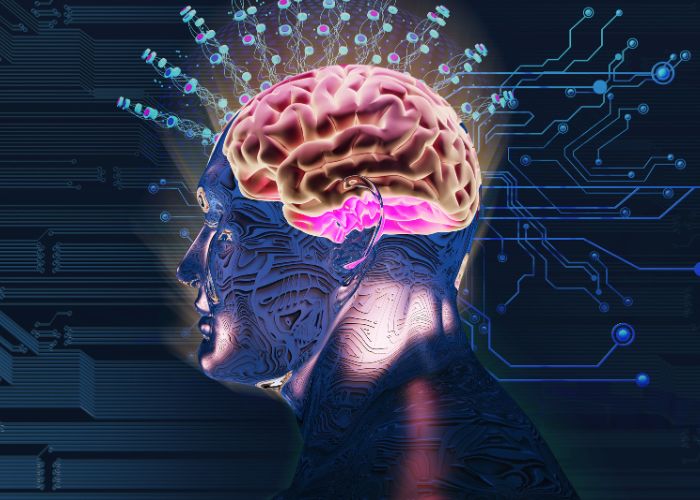

Decode the Brain's Communication Engine
Language is one of the brain's most powerful tools for shaping thoughts, influencing emotions, and building meaningful relationships. This module explores the neuroscience of language, revealing how the brain understands, processes, and produces communication. You'll discover how words influence thinking, behavior, and decision-making while learning practical strategies to communicate with greater clarity, confidence, and impact.
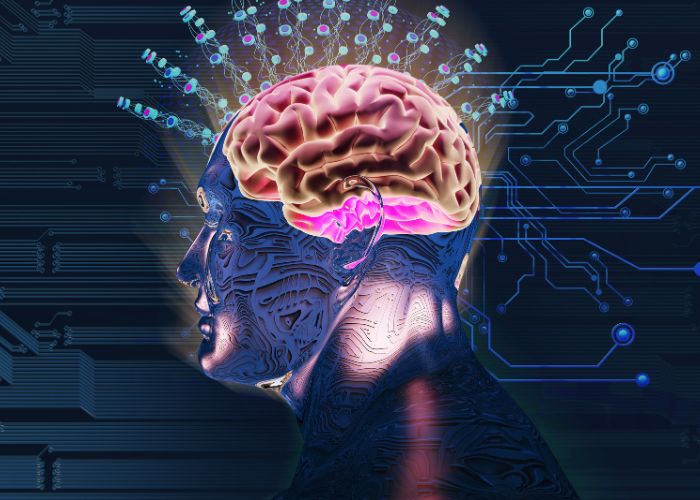
Decode the Brain's Communication Engine
Language
Decode the Brain's Communication Engine
What You'll Learn
Foundations of Language Processing
- Understand how the brain processes spoken and written language.
- Explore the neural systems responsible for language comprehension and production.
- Learn how language supports thinking, communication, and decision-making.
Language, Thought, and Behavior
- Discover the relationship between language and thought patterns.
- Understand how language influences emotions, beliefs, and behaviors.
- Explore the role of internal dialogue in personal growth and transformation.
Persuasion, Influence, and Communication
- Learn how language shapes perception and influences decision-making.
- Apply communication techniques that inspire trust, motivation, and engagement.
- Understand the impact of verbal and non-verbal communication on human interaction.
Brain-Based Communication in Coaching
- Apply neuroscience-based communication strategies in coaching and leadership.
- Use purposeful language to facilitate learning and behavioral change.
- Develop communication frameworks that empower, motivate, and inspire clients.
Course Description
Language is far more than a means of communication—it is the framework through which we interpret experiences, shape beliefs, and influence others. In this module, you'll explore the fascinating neuroscience behind how the brain processes words, meanings, emotions, and non-verbal cues to create understanding and connection.
You'll discover how language can reshape thought patterns, influence decision-making, and support lasting behavioral change. Through neuroscience-based insights, practical communication models, and real-world coaching applications, you'll learn to communicate with greater precision, empathy, and impact.
Whether you're coaching clients, leading teams, delivering presentations, or building stronger relationships, this module provides powerful strategies to help you communicate with confidence and purpose.
Who Should Enroll
This module is ideal for:
- Professional Coaches
- Trainers and Facilitators
- Leaders and Managers
- Public Speakers and Presenters
- HR and Learning & Development Professionals
- Educators and Teachers
- Sales and Marketing Professionals
- Anyone seeking to improve communication, influence, and interpersonal effectiveness
Overview
Language is one of the brain's most powerful tools for shaping thoughts, influencing emotions, and building meaningful relationships. This module explores the neuroscience of language, revealing how the brain understands, processes, and produces communication. You'll discover how words influence thinking, behavior, and decision-making while learning practical strategies to communicate with greater clarity, confidence, and impact.
- Explain how the brain processes and produces language.
- Understand the relationship between language, thoughts, emotions, and behavior.
- Apply neuroscience-based communication strategies to improve interactions.
- Use persuasive and influential language ethically and effectively.
- Strengthen verbal and non-verbal communication skills.
- Help clients reframe limiting beliefs through purposeful language.
- Improve coaching conversations, presentations, and leadership communication.
- Build stronger relationships through clear, empathetic, and impactful communication.
- No prior neuroscience or linguistics knowledge is required.
- An interest in coaching, communication, leadership, or personal development.
- Willingness to participate in practical communication exercises.
- A notebook or digital device for reflection and note-taking.
- Commitment to applying effective communication techniques in real-life situations.